The Psychology of Money
The Psychology of Money
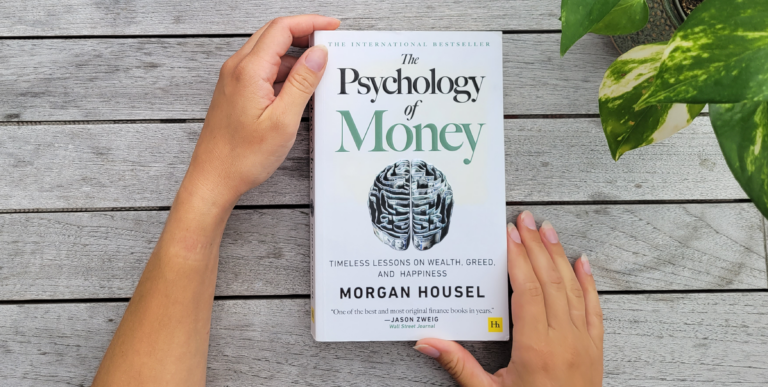
In today’s post we will be discussing the topic of money. Specifically, The Psychology of Money. Your money, to be exact. This is one of the best money books I have read and I wanted to share some key points from this book. It is recommended for anyone who wants to learn about their spending behaviors and curtail those habits in order to build the financial future that you want for yourself.
Analyzing Money Behaviors
In the early chapters of this book, it really strips down how human behavior and human psychology affect everything about money. It discusses why you spend money as well as how you spend money. It is important to understand what influences your spending habits in order to fix any problems that can impact your future.
Insatiability
There is a chapter in this book dedicated to the perception of never having enough. A good example of never having enough is when we look at billionaires and think “they have more money than they can use in their lifetime, yet they want more”. If you had that much money, as much as you would say that you would not want more, that is simply not true. It is in our human nature to desire more. Some of us don’t understand why people with what we consider “enough” could desire more and some of us assume that the reason why is greed. Regardless of the reason behind it, it is a sense of insatiability. We live in a society that encourages us to consume and desire more. Our society wants us to feel like what we have is never enough. We are products of our own environment.
Whether you have $1,000 or 1 million dollars this fact remains the same – it is never enough. Even if by average human standards you have more than you could ever use, who doesn’t want more money? That is what is boils down to. It was never meant to comprehend because there is no logic to it. This subconscious desire to attain more not only applies to money but what money can buy. If we reach one milestone we want to reach the next one and so on. We always want the next shiny new thing, especially if we can beat someone else in getting it. Who will be the first trillionaire?

An important question to ask yourself is if you would still get that new item if no one else ever saw it. Do you genuinely need this item or is it simply to impress other people? Remember, wherever you go, there you are. You cannot use retail therapy to rid yourself of bad habits or to suppress things that should be addressed in therapy.
The only way to beat this race is to not participate in it. Learning how to be content – while still striving to better yourself – will put you in a league of your own with no competition.
Compounding
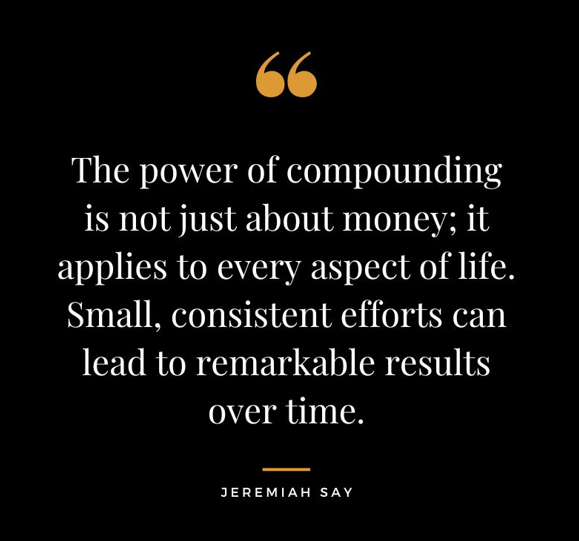
Of course there would not be a book about money without mentioning Warren Buffett in it. However, one important aspect of compound interest is time. The longer your money is invested, typically it will produce better returns. And the earlier you begin investing in your life, the more time you will have.
And as an added bonus, compounding can work the same way in other aspects of your life. Small habits here and there can lead to Atomic Habits.
Getting Wealthy Versus Staying Wealthy
Getting wealthy is one thing but staying wealthy is another. There have been many athletes who squandered their money. One such example is Mike Tyson. At one point he was worth several million dollars and then in 2003 he filed for bankruptcy. This was due to his extravagant lifestyle and poor financial decisions. To us, this seems absurd but to some people with lots of disposable income one thing they never think about is how to preserve the money.
Staying wealthy requires having basic financial literacy, good habits, a good savings rate, and discipline. Also, true wealth is what you don’t see. Steve Jobs was a good example of that with his minimalist style, also known as quiet wealth.
Room For Error

As with anything, human systems require leniency for error. Everything will break if you give it enough time. This includes the stock market and your own investing strategies.
Let’s face it, as much as we all would like to believe that we are pro investors, we are simply doing the best that we can with the information that we have at present. You cannot time the market. As the saying goes, time in the market beats timing the market. With that being said, your investments will not always do well since we live in a volatile market. Things such as pandemics and politics can impact our economy and our stock market. It is a cause and effect. However, you have to remember that you are in it for the long run (at least if you want to focus on compounding).
This is why risk tolerance comes into play. You simply investing into anything carries a level of risk. How much risk you are willing to take is on you but that is how much risk you will tolerate. This is also why it is important to routinely check your portfolio in case you need to rebalance it. Some platforms have an auto rebalancing option. The purpose of rebalancing is to reduce volatility and to help manage risk.
So, do not invest in the stock market unless you have accepted and planned for the risk involved in it.
Change
Another topic that this book emphasizes is that change is constant. What you wanted 10 years ago will be different than what you want now and what you will want 40 years from now. As you get older and experience life, your wants and desires change. Your perspective about your life and how you want to live the short time you have on this earth also change. An important aspect about how you can have some freedom in this choice is to set your future up for success so that you don’t have to be on anyone’s payroll if it’s not your choice. Part of setting yourself up for success is planning for retirement. Retirement is a major change in your life as you exit the workforce and live on a fixed income.
Working into your golden years should be a choice and not a requirement simply because you cannot afford to retire. Unfortunately, that is not the case for many in our society today and it really does hurt my heart to see people barely able to walk who need to work in order to pay their bills and receive healthcare. I am a big advocate for spending your golden years how you want to and enjoying your retirement. This should be the case even if you choose to work by choice just to keep yourself busy and active later in life.
Sunk cost fallacy plays into this topic as well. Just because you have invested (no pun intended) so much of your time and effort into building your life now does not mean that it has to always remain this way. People evolve and grow – just like the stock market. Over the course of it’s existence, the stock market has even changed.
Nothing Is Free
When I was kid my dad sent my sister and I into a gas station to pay for the gas. An employee gave us free candy from the store. Fortunately, it was not from a windowless white van so do not be alarmed. As happy as we were about having candy, my father told me that nothing was free. At the time I did not understand what he meant but he was right. What was free to me cost someone else something. And sometimes that free thing comes at the cost of bad intentions.
So on the topic of money, not even interest is free. You took the risk to invest your money and you luckily made the right choices at the right time and you received a return on your investment. So, the cost of that extra $100 in your portfolio was risk. You also pay taxes on interest that you receive. Again, nothing is free.
People pay for the shoes, cars, and the vacations but for some reason investment fees are where people draw the line? Fees are part of investing. It comes with the territory.
Money aside, the most valuable asset that you will ever possess is your time. Would you rather be a billionaire at 80 or would you rather be comfortable and content at 40? The grass is always greener on the other side and many older people, rich or poor, would often trade everything for their youth again. So, have a healthy view of money but most importantly value your time because you cannot buy it back, even with money. Your time is also not free.
In conclusion I would like to recommend this book The Psychology of Money to anyone who wants to improve their financial literacy and understanding about how money affects behaviors and grants certain freedoms.