Finance, budgeting, & minimalism for the modern world
April 28, 2025
How to Handle Burnout
How to Handle Burnout
Burnout is a problem that is not often addressed until it’s too late. We will discuss what burnout is, how to identify burnout, and how to handle burnout.
Burnout needs to be acknowledged and remediated. Continuously having high stress levels is not healthy or sustainable. Busyness is not a status symbol. One of my favorite quotes by Matt Haig is “we live in 24-hour societies but not 24-hour bodies.”
It can involve feeling overwhelmed, emotionally drained, and unable to meet constant demands. This in turn can reduce your productivity and energy. This can lead to feelings of dread and hopelessness. These feelings will inevitably affect all aspects of your life. This can include your home, career, and social life. Long-term burnout also affects your health, weakening the immune system and leading to illness. The reason why this is so serious is because uncontrolled continuous stress has been linked to heart attacks and other cardiovascular issues. There is no benefit in any aspect to stress of burnout.
Causes of burnout
Burnout looks different for everyone but common causes of burnout can include workplace demands, caring for an ill family member, college, or financial stress.
When it comes to workplace demands, sometimes the mismatch between work expectations and the resources available at your disposal do not align. Couple that with other stressors in your life and this unmanaged stress can lead to burnout. Another form of burnout involves social media. Dopamine addition is a real thing. Doom scrolling on top of all of your other life demands can cause you to become burned out and in need of a dopamine detox.
How to identify burnout
Believe it or not, other people may be able to tell that you are burned out before you are. The way you look, the way you carry yourself, or your performance may be a good indicator. But, you should be able to identify if you are burned out without anyone bringing it to your attention to slow down.
Sometimes being burned out can look like making mistakes at work. It could be crying from all of the stress. It could also include just losing interest in things that you normally enjoy.
Before you can find solutions, you will need to identify the signs.
How to handle burnout
The first thing that you should do is rest. Make sure that you are getting adequate sleep as this begins the recovery process. Sleep is the how the body repairs itself.
The next step includes coming up with a short-term solution. This can include taking a few days off from work to regroup. If you need to (and if you are able to), take the time off. You can use sick time, PTO, vacation, or FMLA. Your mental health is also a valid reason to take time off – unapologetically. More long-term solutions may include setting boundaries at work regarding expectations, changing your perspective around work-life balance, or if needed even changing jobs but you can worry about that later.
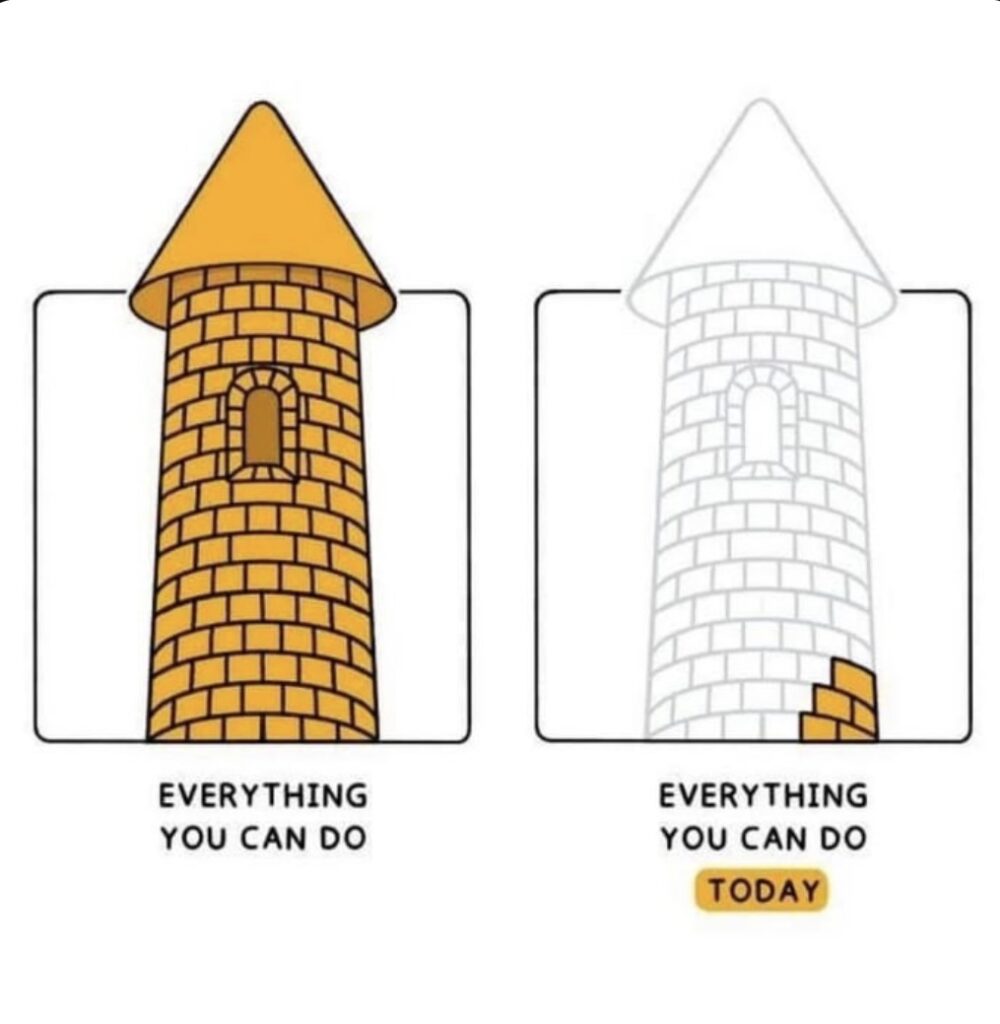
Your time off is only temporary and you cannot outrun a bad situation. There are ways to improve your situation. Sure, some solutions take time but you have time. These can include choosing to further your education or changing career fields. If you ever think that you do not have enough time or that something you want to do will take some time, life is long. Change your perception of time. As cliché as this is, Rome was not built in a day and neither are most things. Some things can take years and even decades.
You can also engage your support system to let your loved ones know that you will be taking a breather for a while. This will help them to be aware of your absence and also limit their demands of you.
Fitness
Next, you can engage in hobbies that bring you joy. This can include going for a walk (even a 5 minute walk during your lunch break), grounding, yoga, meditation, journaling, etc. Exercise, even at low-intensity is beneficial for your health including your mental well-being. Simply being outside in the sun has many powerful benefits.
“Above all, do not lose your desire to walk. Every day I walk myself into a state of well-being and walk away from every illness.”
Søren Kierkegaard
Nutrition
When it comes to nutrition, don’t underestimate how your diet will affect your mood. You are what you eat. Food directly impacts your mood and body. This is known as the gut-brain connection.
Sleep & Mental Health
I am going to include mental health therapy under this topic about sleep because they are linked. Sleep requires peace. Therefore, make sure that you are doing what you can for your mental health to quiet the non-essential noise. Once you are at peace, your quality of sleep will drastically improve.
If needed, seek therapy from a licensed medical professional. Your support group can also include friends or family that you trust.
managing boundaries & priorities
Before we can set boundaries, we need to know what they are. Boundaries are the limits and rules that you can enforce to protect your physical and emotional health in relationships and various interactions. You can define what behaviors, actions, and interactions are acceptable and unacceptable. Setting boundaries is one thing, enforcing your boundaries is another. You can absolutely tell people how to treat you. No is a complete sentence.
A big component of burnout is stress. Unmanaged stress can lead to burnout. Therefore, you will need to put distance between yourself and your stressors. This distance can range from scaling back and working at a slower pace, taking a mental health day, or quitting a toxic job. This time away from your stressors can help you to think more clearly so that you are able to re-evaluate your goals and priorities. If needed, you can shift these goals to align with how you would like your life to be to minimize a recurring issue.
Now let’s briefly discuss priorities. We have more time than ever in history but we don’t manage it well. What is the priority? I can assure you, it’s not everything. When it comes to time management, many people do realize how valuable time is but their actions prove otherwise when it comes to the time of others. Ultimately, their time is important but yours is not. Time is a finite resource. If the way you choose to spend your time does not align with how other people think you should spend it, then you’re the bad guy. This is why setting (and enforcing) boundaries and having priorities are important. When it comes to time management at work, create margins in your calendar to allow extra time “just in case”.
When it comes to expectations, sometimes we end up hurting ourselves. Many of the expectations that exist are self-imposed. This can be influenced by our own thoughts and beliefs. While expectations can be both good and bad, it all comes down to balance. Having expectations can motivate us and fuel our personal growth but if the expectations are unrealistic then it can lead to disappointment, anxiety, and burnout.
When it comes to expectations that others may impose upon you (excluding basic job expectations) then you are not obligated to meet those expectations if you do not choose to. If you are an empath, caring for the needs of others is important but that should not take priority over your own needs.
I read a phrase online about being “therapeutically selfish”. This refers to prioritizing your own well-being and growth without neglecting or harming others. This can improve your mental health, physical health, and your relationships. Self-care and self-preservation are essential for healthy living. Therapy can help you to understand and implement these principles because after all, on an airplane you do have to put your own mask on first.
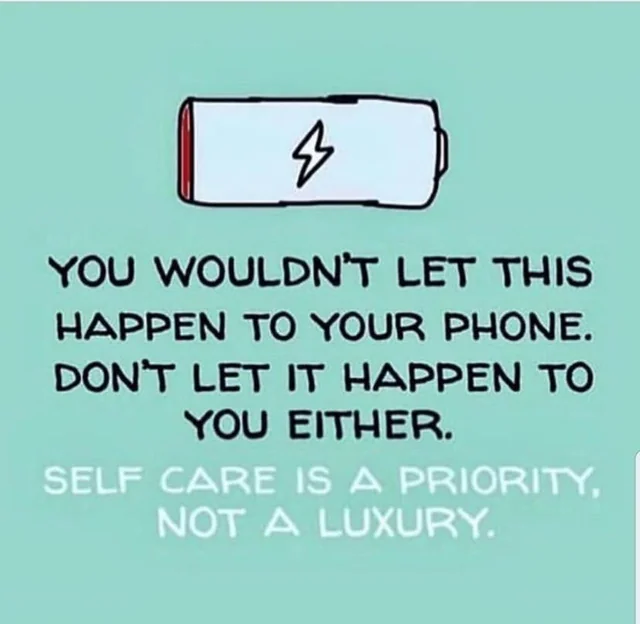
When we are low on gas we refill out tank before we run out. Being proactive will save us time and the inconvenience of running out of gas. Why shouldn’t we also do that with our mental health?
So, if needed, take the time off of work. Find a balanced way to delegate your workload (or have it delegated for you by management) and take the mental health day. The company will not fall apart without you there and they will find ways to manage, I promise.
Managing your money
Financial stress also plays a role in burnout. Sometimes we may forget that we live to work and not work to live.
Living below your means, reducing debt, and also reducing wants (also known as the art of contentment) plays a vital role in this. What are you working for? There will always be something new to attain. Once you’ve mastered the art of contentment (which is truly an art in our heavily advertised society) you will be ahead of the game. The less you want, the less you usually need to work to attain said wants. This art of contentment comes with intentional effort and discipline. It is a state of being that involves appreciating what you currently have, managing your desires, and finding peace in your life.
Root Cause Analysis
As you begin to feel better, it’s time to do some thinking about the situation that led you to burnout. Let’s analyze the root cause. What are you not getting that you need to be happy? Since life is not one size fits all, explore alternative paths and opportunities. Once you have a sense of what needs are being unmet in your life, it’s time to take action. What concrete changes can you make to improve your situation? This can range from simply committing to going to bed earlier so that you are getting enough sleep to blocking off your calendar for things that take priority in your life. The changes do not have to be big. In fact, small changes lead to atomic habits. Change is vital in the recovery process.
Around the world
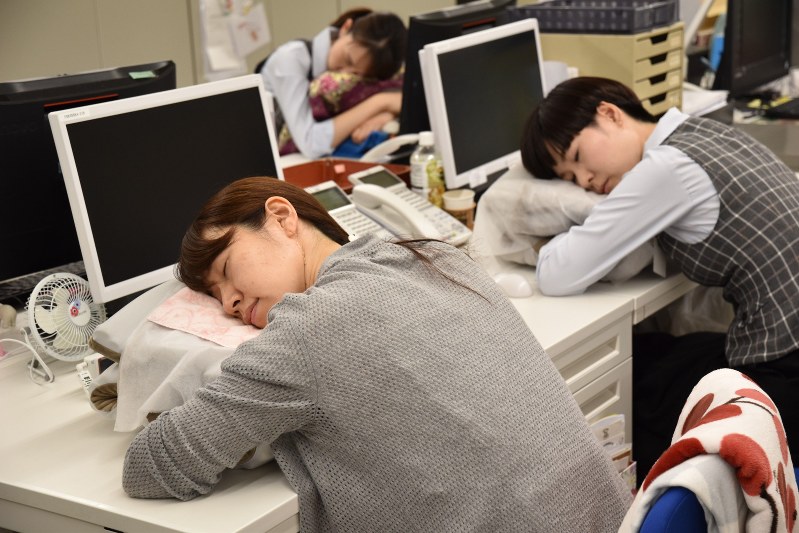
Several cultures around the world incorporate naps into their daily routines. This can be beneficial for focus and productivity. This includes siestas in Spain, Latin America, and Japan.
In some parts of Spain, for example, it is common for stores to close for a midday break for a “siesta”. This tradition allows employees to take a break for lunch and relax, especially during the hottest part of the day.
Napping in Japan is also common. Inemuri (居眠り) means “sleeping while present”. This is basically selective sleeping where it is not disruptive to your job and you can be awoken at a moment’s notice. This is not seen as being a lazy worker but it actually shows dedication by taking a short rest after working long hours. These naps can also be taken during lunch breaks which can help to improve cognitive function when returning to work.
The reason why napping may be so important and acceptable in Japan is because of karoshi (過労死). Karoshi is translated into “overwork death“. This can include heart attacks or strokes due to unmanageable levels of stress which has caused some workers to commit suicide. So much so that there is a forest called Aokigahara which is also notoriously known as the “suicide forest”. Overworking has been a problem in Japan which has resulted in workplace injury claims.
That being said, this is just a brief overview of how other cultures around the world manage stress although there is still room for improvement. Since stress is quite literally detrimental to your health, this is why it is so important to manage stress before it turns into burnout.
The choice is yours
“A healthy man wants a thousand things, a sick man only wants one.”
– Confucius
The grim reality is that none of us make it out alive. Therefore, your life is not comprised of a million things that need to get done in a day. If everything is a priority, nothing is a priority. Multitasking, while being a good skill to have, is not necessarily healthy. It affects your productivity and your brain. Multitasking is short circuiting your brain. Work on a single task at a time. You do not need to be in a meeting while replying to unrelated emails while watching a video. Work at a steady sustainable pace. Tomorrow is another day rewarded with more work.
To my runners and cyclists out there, whether you are training to run a marathon or to bike the Tour de France there is one important thing that applies here – go the distance. If you try to sprint the entire way you will inevitably burn yourself out. That is not manageable. You have to properly pace yourself so that your energy and efforts are preserved for when you need it most. The same will need to be done with your health. You cannot do it all because it will burn out you.
As much as you probably like having your own autonomy, your autonomy will be overruled by your body’s biological nature to protest itself eventually if you do not stop. You are designed to keep yourself alive, self-preservation. Sometimes, that includes your body shutting you down. You are not a robot. What are you sacrificing when you don’t rest? Rest like the Danish and implement the hygge lifestyle.
If you push yourself beyond your limit, at some point the strings will break. You can stop yourself or your body will force you to stop. Keep your autonomy by being proactive, the choice is yours.