Could 50-Year Mortgages Benefit the Housing Market?
Could 50-Year Mortgages Benefit the Housing Market?
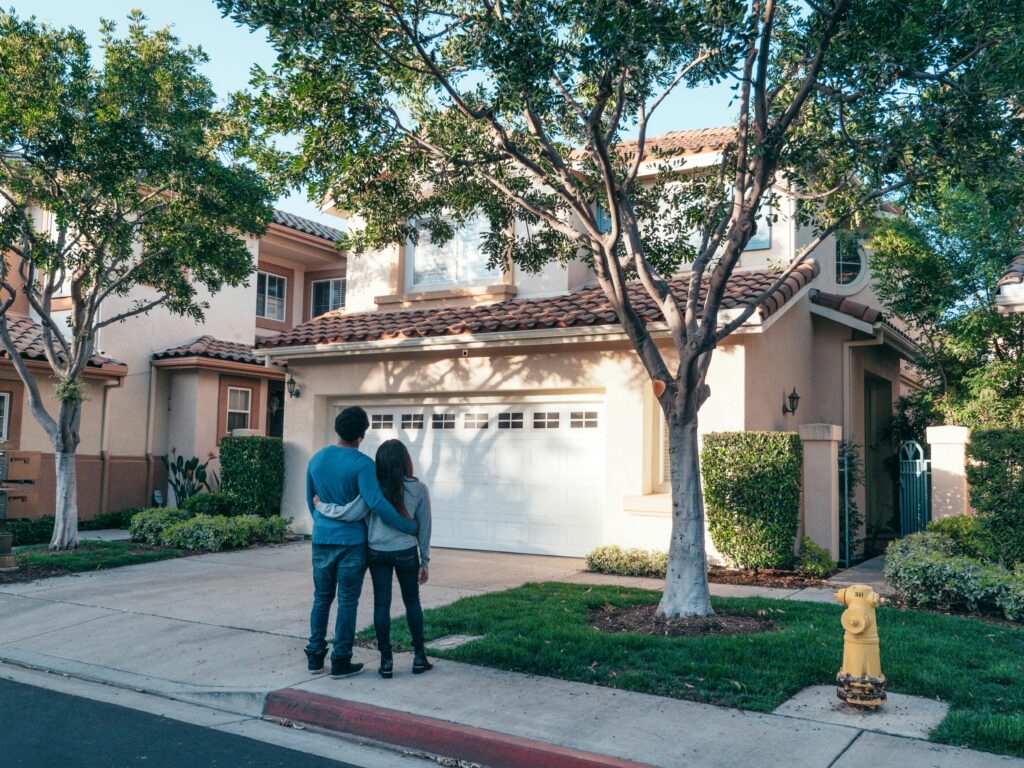
There has been talk about a 50-year mortgage as a solution to the housing affordability crisis. But, could 50-year mortgages benefit the housing market? Could a 50-year mortgage make home ownership affordable again?
What is a 50-year mortgage?
A 50-year mortgage is a home loan where the repayment period is stretched to 50 years instead of your typical 15 or 30 year mortgage. The longer loan period would allow you to pay a lower monthly mortgage but the payoff period would be longer. Equity also grows slower since most of the early payments will be interest.
The Economics Behind 50-Year Mortgages
Let’s consider an example for a conventional loan. The median single-family home as of 2025 is about $400,000. This example will include a 20% down payment (to avoid PMI) but it will exclude property taxes, home insurance, and any HOA’s from this example since that can vary. A $400,000 home, a 30-year loan term, and a 6% interest rate would amount to about $370,682 – just in interest! The total cost of ownership would be about $690,682. If you take the same home price, down payment, and interest rate and apply that to a 50 year loan term, that amounts to about $690,697 in interest and a total cost of ownership to about $1,010,697! That is about an 86% increase in interest!
So, the economics behind the 50-year mortgage is advertised as being more affordable – at least up front but it does not account for the long-term total cost of ownership including the interest paid. The total cost of ownership is really what matters most.
Proposals & Policies
A 50-year mortgage is not currently available in the U.S. One major reason is because of the Ability-to-Repay standards in the Dodd-Frank Act which mentions that terms longer than 30 years are not allowed for government backed loans. If a 50-year mortgage is to become reality, then policies will need to change. At the current moment, a 50-year mortgage has just been proposed as an option to help with housing affordability.
Just to clarify, a 50-year mortgage is not illegal, it is just rare in the U.S. A lender can offer one, the lender just has to prove that the borrower can repay it. A 50-year mortgage would usually also have higher interest rates since it carries higher risk.
The Dodd-Frank Act offers qualified mortgage protections to lenders and borrowers. This is, if the lender follows the ability-to-repay rule. This includes the lender proving that the borrower can repay their loan. The lender also verifies the borrower’s income, assets, employment status, credit history, and debt-to-income ratio. This way the lender also cannot generally be sued by doing their due diligence.
The downsides of a 50-year mortgage
Long loan terms increases risk for systemic household debt and it can trap borrowers in a lifetime of debt. What is the opposite of generational wealth? Generational poverty. This would create a debt trap because most people would be too old and infirm or die before paying off their mortgage. Another issue is the need to continue to have an income to pay off a longer mortgage. This can interfere with any early retirement plans. With the median age of the first-time home owner bring around 40, this means you’ll need to keep working past retirement if any fixed income social security does not suffice. You would need to work until you die. Then you also have to worry about home repairs, because houses age too and they need to be maintained.
A 50-year mortgage is just a bandage to a bigger problem. This is not the solution to affordable housing, this is stretching debt. It is predatory lending disguised as home ownership. It is important to consider what a longer mortgage would really cost you (including your time) and also what your risk tolerance is.
The Illusion of Home Ownership
There is a saying that you will own nothing and be happy. For some, “The American Dream” of home ownership is just that – a dream. The reality is that if you usually have to finance something then you cannot afford it (unless you use other assets as colleterial like the rich do). But also, many cannot afford to outright buy a home and that is understandable considering how inflation has increased but incomes have remained stagnant. So there is no judgement in mortgage debt because you need a place to stay. But taking out a loan for a home should still fit within your budget so that you are not house poor. This involves doing the math and making smart financial decisions. Also, not just focusing on the monthly mortgage payments but the total cost of ownership for the life of the loan.
There is this illusion of ownership, but in reality there is no true ownership, it is home rentership. What happens if you buy a home and pay it off but then stop paying property taxes? Your house can get taken away from you. It is always a win for them and a loss for us – if we do not make smart money decisions. Remember, no one will have your best interests at heart more than you do.
What do you think? Could 50-Year Mortgages Benefit the Housing Market? Is this possibly the future of home ownership?